-300x169.jpg)


-300x169.jpg)

[Guide Introduction] Wang Qi Heng
[Tour] The Past and Present Tale of Kelp and Herring
KanazawaKiyomi
Contents
Plan overview
Set in the northern region of Hokkaido, this four-day journey explores the rich history and cultural heritage of the area through the narrative of “The Past and Present Tale of Kelp and Herring.”
You will encounter the lifestyles, traditions, and ingenuity shaped over generations by the people who lived in this northern land.
The tour highlights unique cultural assets found only in northern Hokkaido—such as the river-boat culture derived from Kitamaebune trading ships, the historical exchange with Sakhalin, the trade routes of Ezo-nishiki textiles, and the long tradition of sake brewing—while visiting various remarkable regional sites.
On Rishiri Island, participants will meet local kombu (kelp) fishermen and experience hands-on kelp harvesting work. In Rumoi, you will visit the preserved Saga Banya, a fishermen’s lodge from the golden age of the herring fishery, where tools and daily life from that era can be observed up close.
Moreover, the tour features not just interpreters, but native-speaker guides who have a deep understanding of Hokkaido’s Jomon and Ainu cultures, the history of Kitamaebune maritime trade, and modern historical developments.
They will share the stories of the region with insight and narrative richness, offering a stay-type program where learning and hands-on experiences inspire new discoveries—and ultimately contribute to future tourism development.
Click here for tour sales and travel agencies
The video of past tour
Time Table
Day 1
7:00(Time is an example)
Okadama Airport

8:45
Rishiri Island Airport
9:10〜10:10
Kutsugata Port (sea urchin fishing experience)
Rishiri Island proudly offers Japan’s finest Rishiri kelp, along with its celebrated sea urchin, raised on this premium kelp. Using the same tools that local fishermen use, you will crack open freshly caught sea urchin yourself, clean it, and savor it on the spot while it’s still unbelievably fresh. This is the true taste of sea urchin at its source!
As you watch and learn, the more you discover, the deeper the mysteries of sea urchin become. Our specialists will guide you through these secrets while teaching you foolproof techniques for opening and cleaning uni. Enjoy the uni you prepared with your own hands as you look out from the terrace over Japan’s northernmost, stunning coastline—its flavor is indescribable.
On calm, fine-weather days with gentle waves, you may even have the chance to board a small coastal fishing boat moored at the pier and harvest sea urchin just as the fishermen do (a rare opportunity and completely dependent on conditions). If this is possible, staff will inform you on the day—at no additional cost.
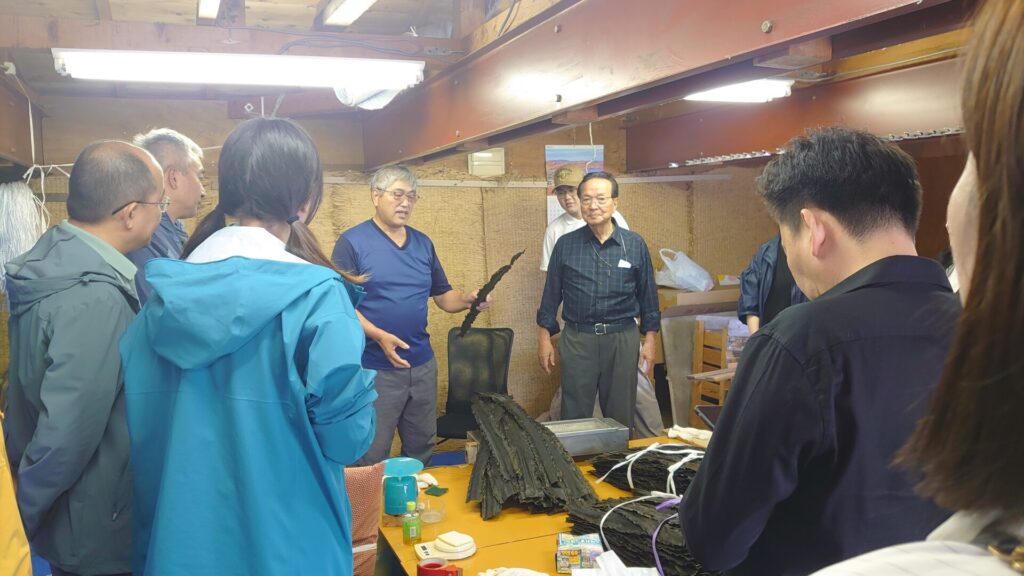
If weather conditions prevent sea urchin harvesting, you will instead experience kelp-processing work, gaining insight into the marine environment where kelp grows and the island lifestyle built around it. You’ll handle freshly landed kelp—cleaning, drying, shaping, and bundling it—while learning how the blessings of the sea are transformed into valuable products through skill and care.
view from the train window
Kamui Whisky (view from the train window)
11:05〜11:30
Senboshi Misaki (Strolling around)
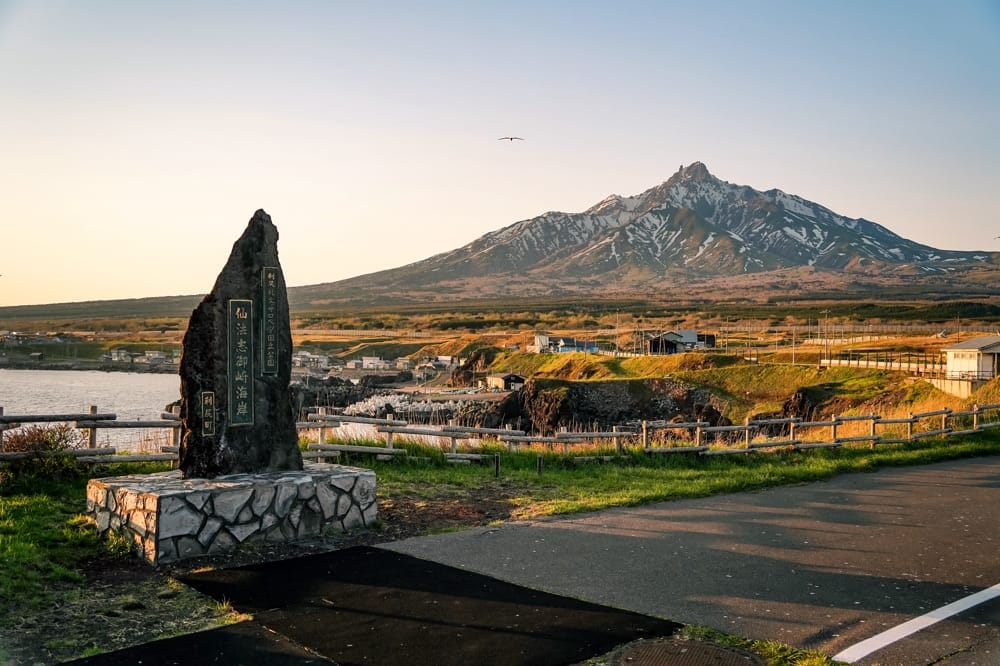
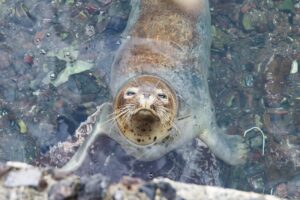
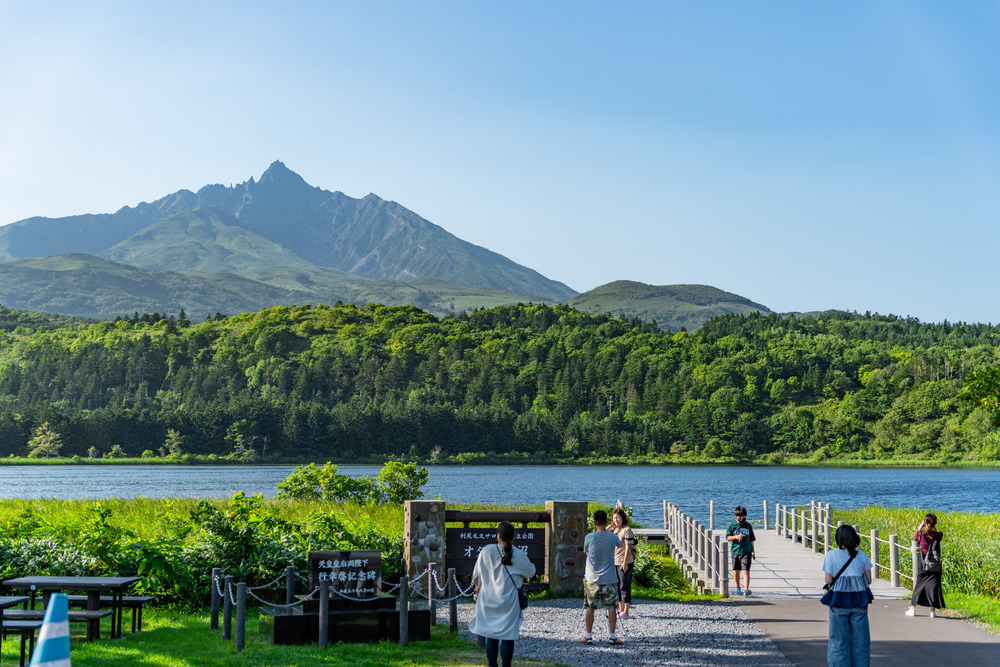
Otatomari Swamp
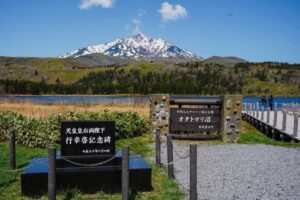
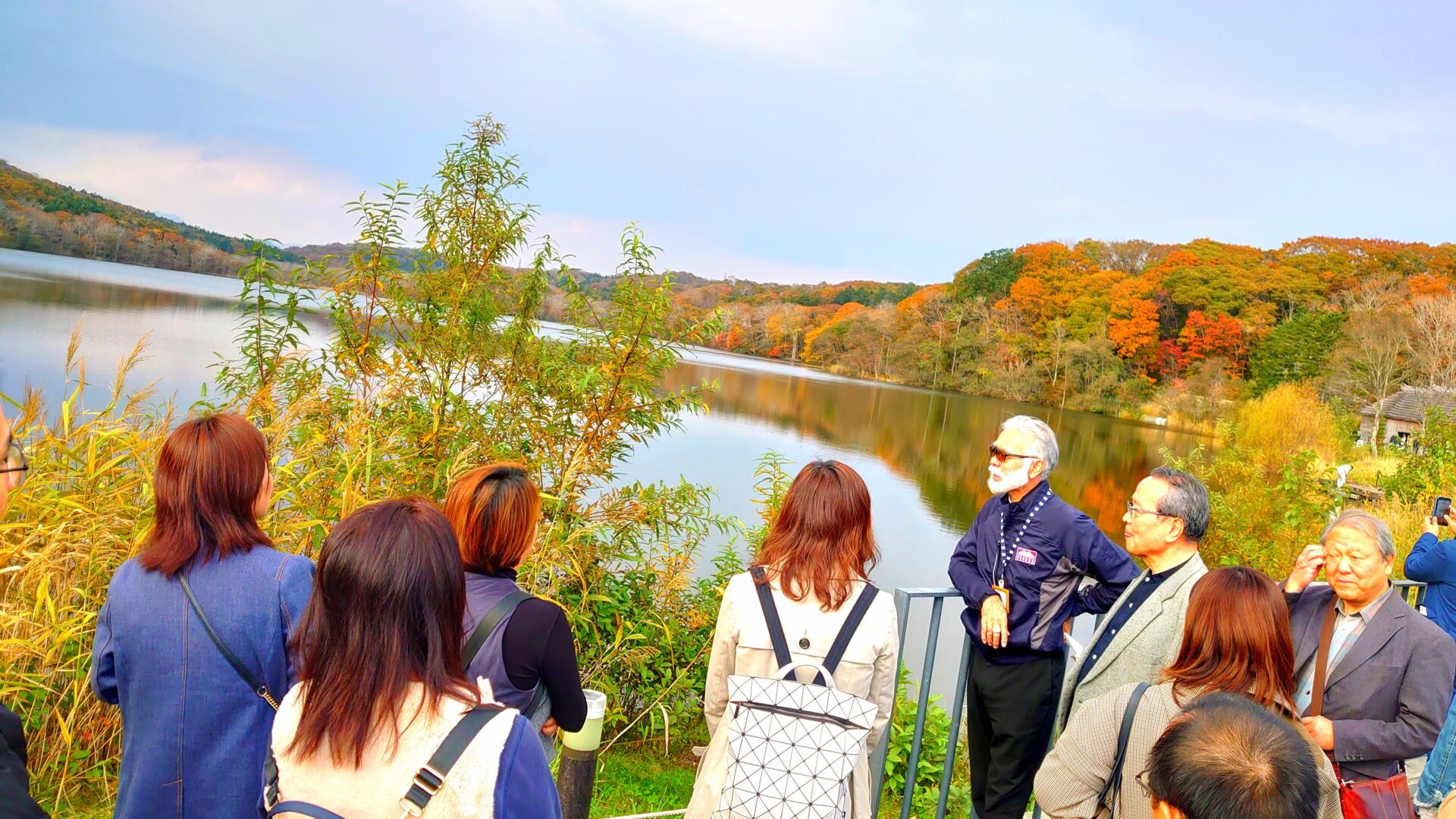
Located in the southeast of the island, Lake Otatomari is approximately 1 km in circumference and is the largest lake on Rishiri Island. A walking path encircles the lake, allowing visitors to stroll while enjoying the reflection of Mt. Rishiri on the water’s surface.
Surrounding the lake is Numaura Wetland, the largest wetland on Rishiri Island and a designated natural monument of Rishirifuji Town. Nearby is the scenic Mikazuki-numa (Crescent Pond).
In the parking area, you will find the Rishirifuji Town Rest House and Rishiri Kameichi, where you can purchase local specialties and souvenirs, or enjoy treats such as grilled scallops, sea urchin gunkan sushi, bamboo grass soft-serve ice cream, and “perennial snow” soft-serve ice cream.
Restaurant Ajisai Kawaichi

For lunch on Rishiri Island, you will visit Restaurant Ajisai Kawaichi, a beloved spot among both locals and visitors. Here, you will enjoy the island’s signature delicacy: a uni seafood bowl.
Rishiri’s sea urchin, raised in the island’s cold, pristine waters, is renowned for its rich sweetness and melt-in-your-mouth texture from the very first bite.
Rishiri Island Local History Museum
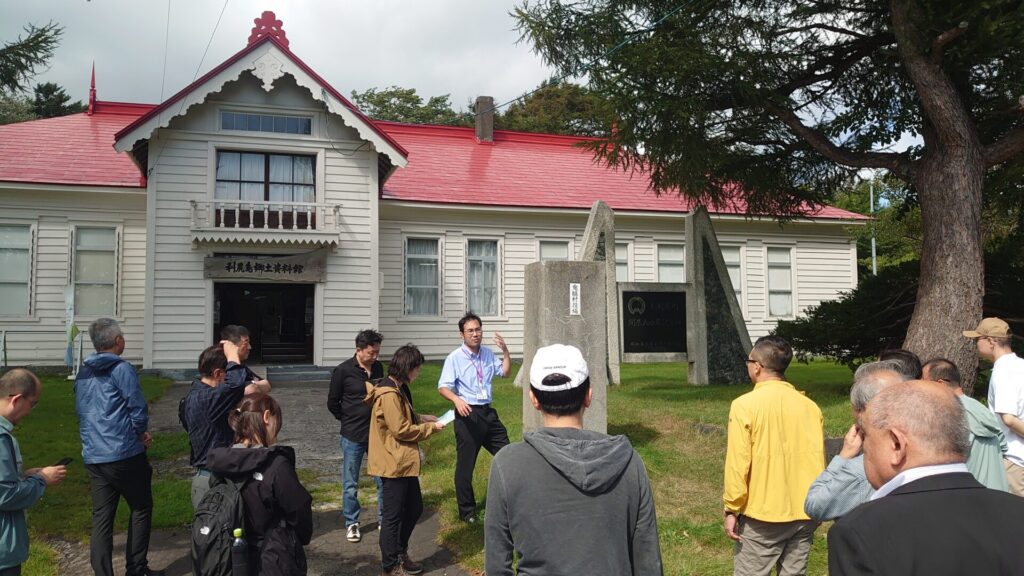
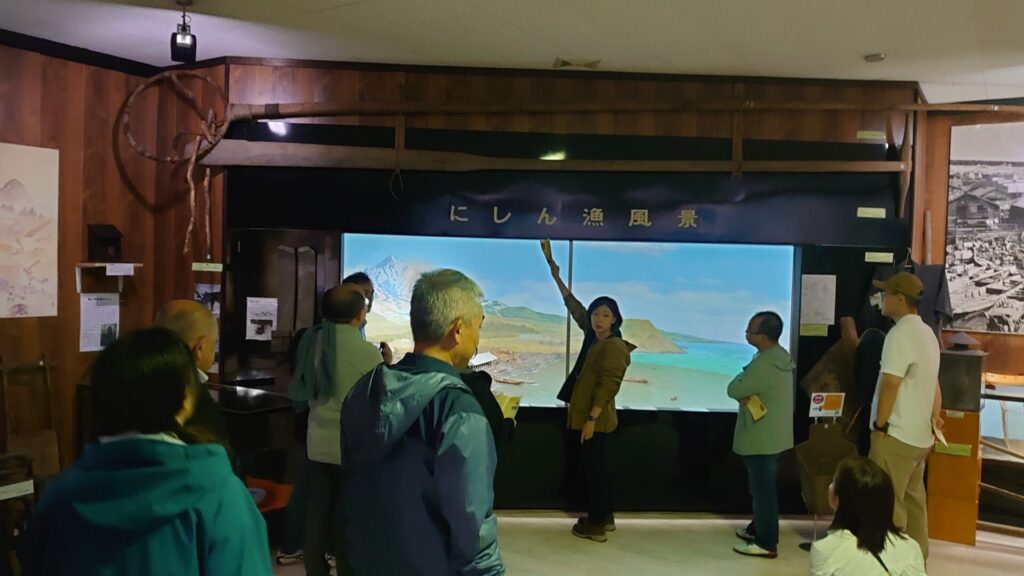
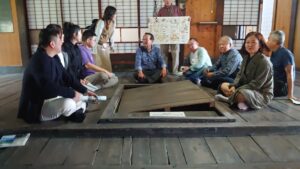
This museum makes use of the former Oniwaki Village Office, an impressive Western-style historical building constructed in 1913 (Taishō 2). The facility opened as a museum in 1973, and today it offers a nostalgic glimpse into the island’s past.
Exhibits include dioramas showcasing the natural environment of Rishiri, displays illustrating daily life from ancient times through the modern settlement era, and recreations of the lively atmosphere of the island’s former herring fisheries.
Photography is permitted inside the museum.
The charming interior—evoking the Taishō and Shōwa periods—and the exterior of the building framed by Mt. Rishiri look as if they were taken straight from a movie scene.
Yuhigaoka Observatory
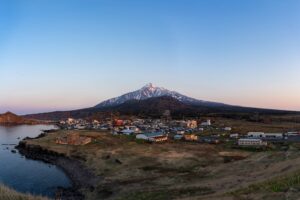
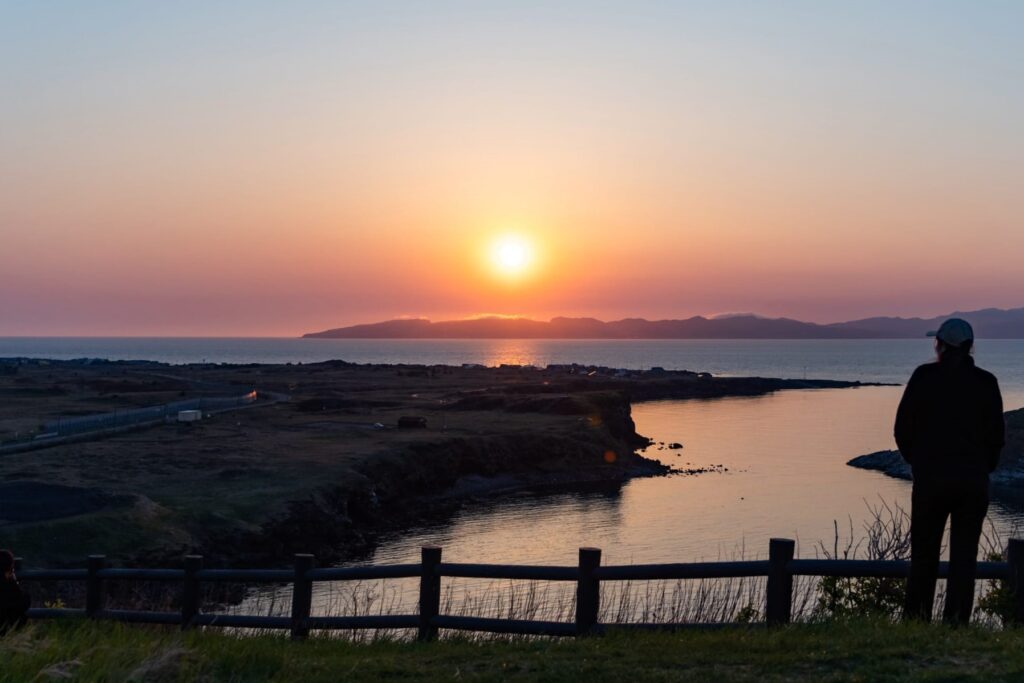
A spectacular sunset viewpoint where you can enjoy a full 360-degree panorama of both the sea and the mountains!
From the parking area, a short five-minute uphill walk leads to the summit, where breathtaking views await—sheer cliffs plunging into the expansive ocean, and a horizon that seems to stretch endlessly.
At dusk, the entire landscape is bathed in deep orange hues as the sky fills with a magnificent sunset.
In summer, vibrant wildflowers—starting with the Ezokanzo lily in June—bloom at your feet. In autumn, the scenery transforms into a soft, golden field of pampas grass. No matter the season, this spot is always stunning.
Cape Pesci
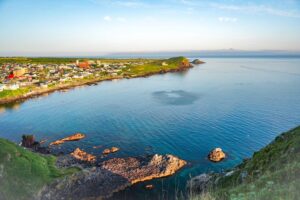
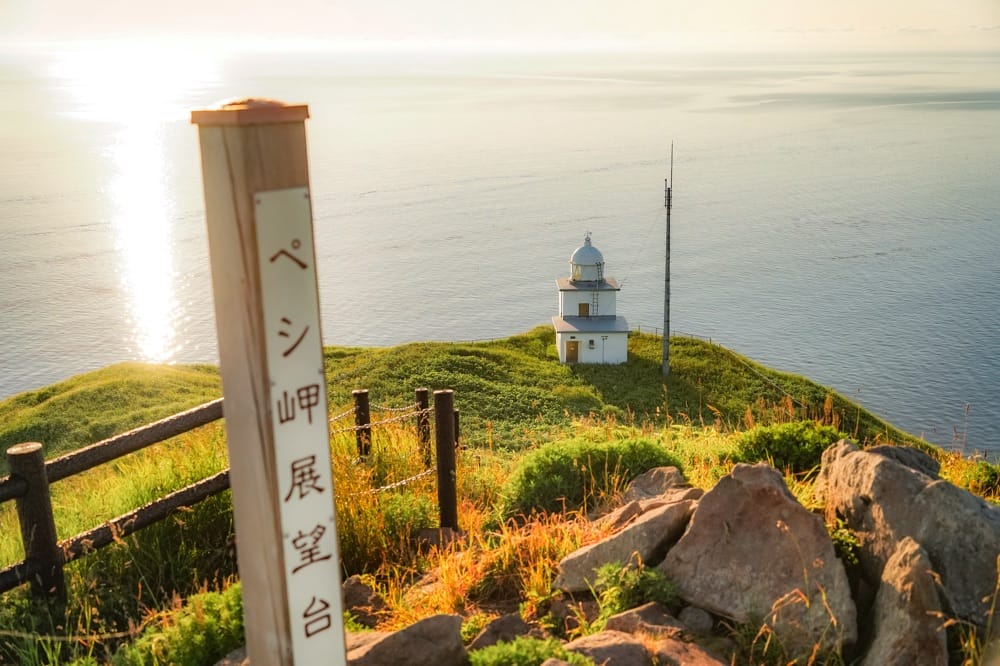
Pesi Cape is a massive rocky hill rising roughly 90 meters above the port of Oshidomari—an iconic landmark of the area. It is also known by the nicknames “Lighthouse Mountain” and “Gorilla Rock.”
Famous as a sunrise-viewing spot, it offers spectacular panoramas of Mt. Rishiri, Rebun Island, and even Wakkanai on the Hokkaido mainland on clear days.
Although Pesi Cape stands alone today, there were originally two rocky hills. The smaller one, called Mo-Pesi, was demolished long ago and used as construction material for Wakkanai Port, resulting in the current landscape.
Along the route to the summit, you can find an observation deck, the graves of Aizu clan samurai, and Oshidomari Lighthouse. The walk to the top includes steep uphill sections, but the views are well worth the effort.
Kitaguni Grand Hotel
Exchange meeting
Day 2
8:00
Hotel
8:15
Departing from Oshidomari
10:20
Wakkanai Port
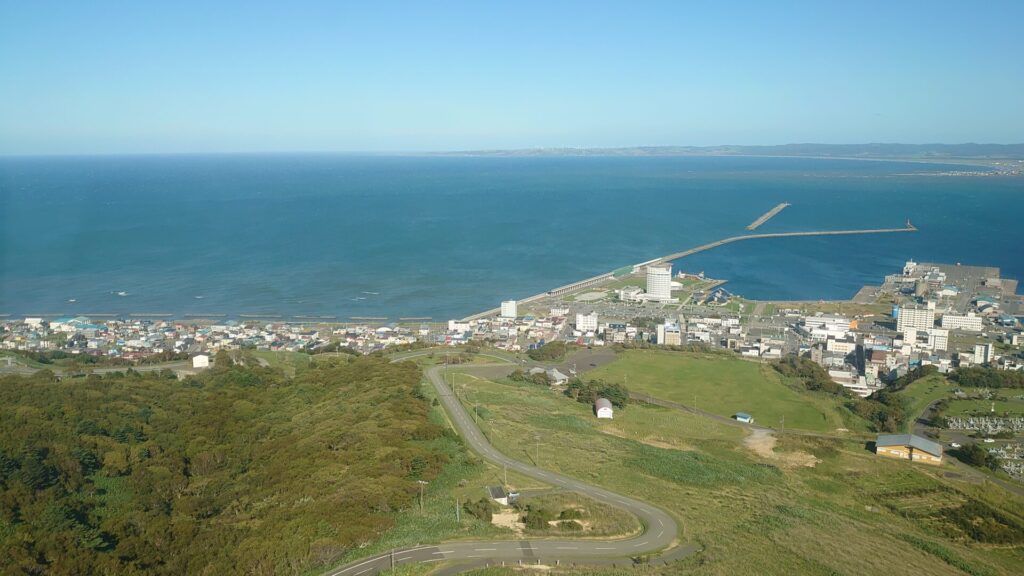
10:30〜11:15
Wakkanai Fisheries Experimental Station

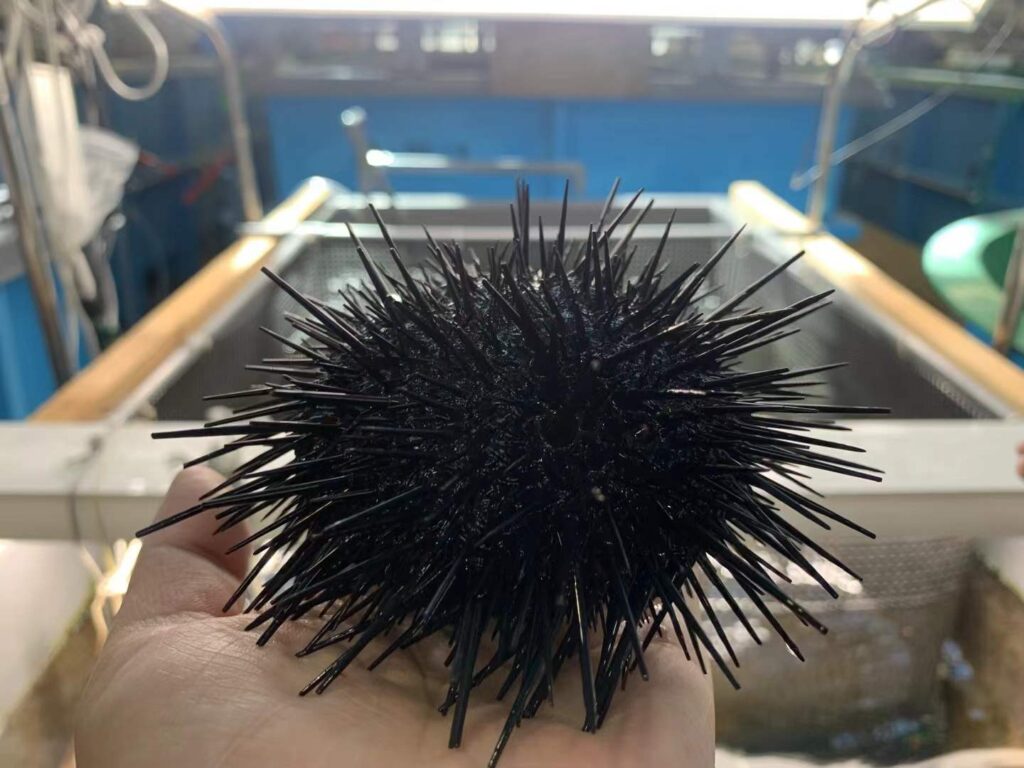
In Wakkanai, we will visit the Wakkanai Fisheries Research Institute, the northernmost fisheries research facility in Japan, and learn about the cutting-edge studies that support the marine environment of northern Hokkaido.
In addition to resource surveys on species such as Atka mackerel, Alaska pollock, and horsehair crab, you will observe genetic analysis and aquaculture experiments that play a vital role in the “cultivate-and-grow” fisheries of Rishiri kelp, sea urchin, and scallops.
11:25〜11:40
Lunch in the city
12:10
Cape Soya

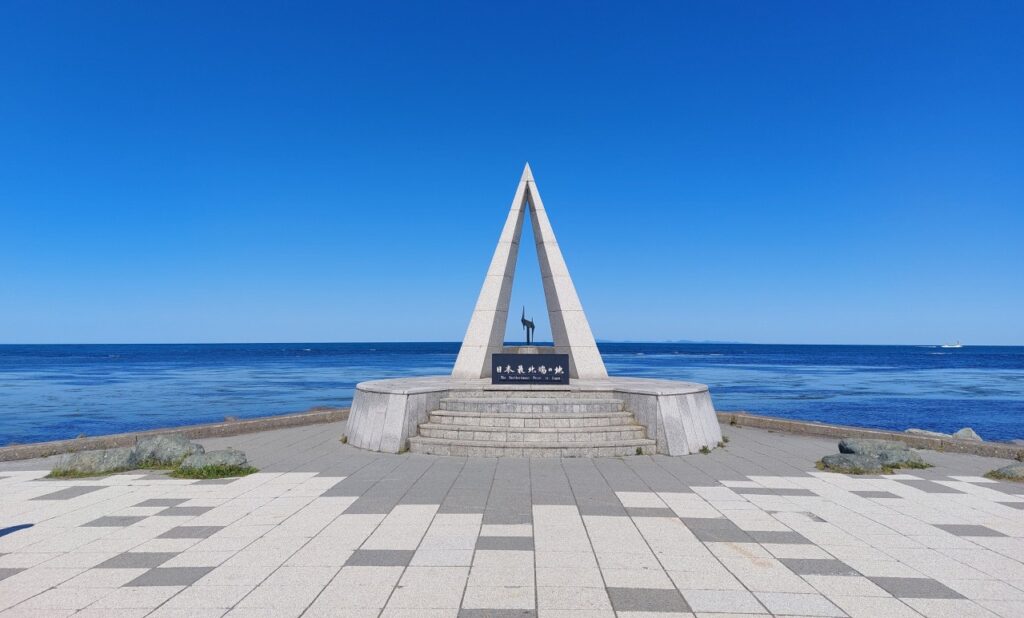
Cape Sōya is the northernmost point of Japan’s main island of Hokkaido.
Located at 45°31’22” N, it offers distant views of Sakhalin across the sea.
At the tip of the cape stands the monument marking “Japan’s Northernmost Point.”
Designed with a motif representing one ray of the North Star and featuring the letter “N” at its center to symbolize “north,” it is one of the most iconic landmarks of the area.
13:30
The White road

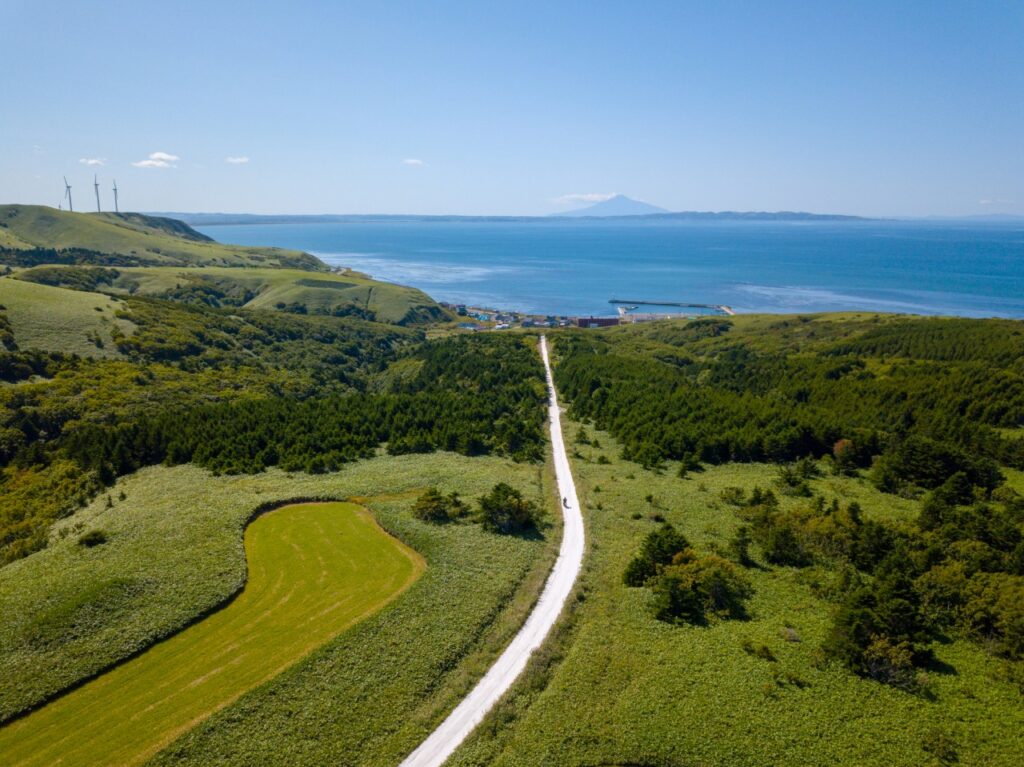
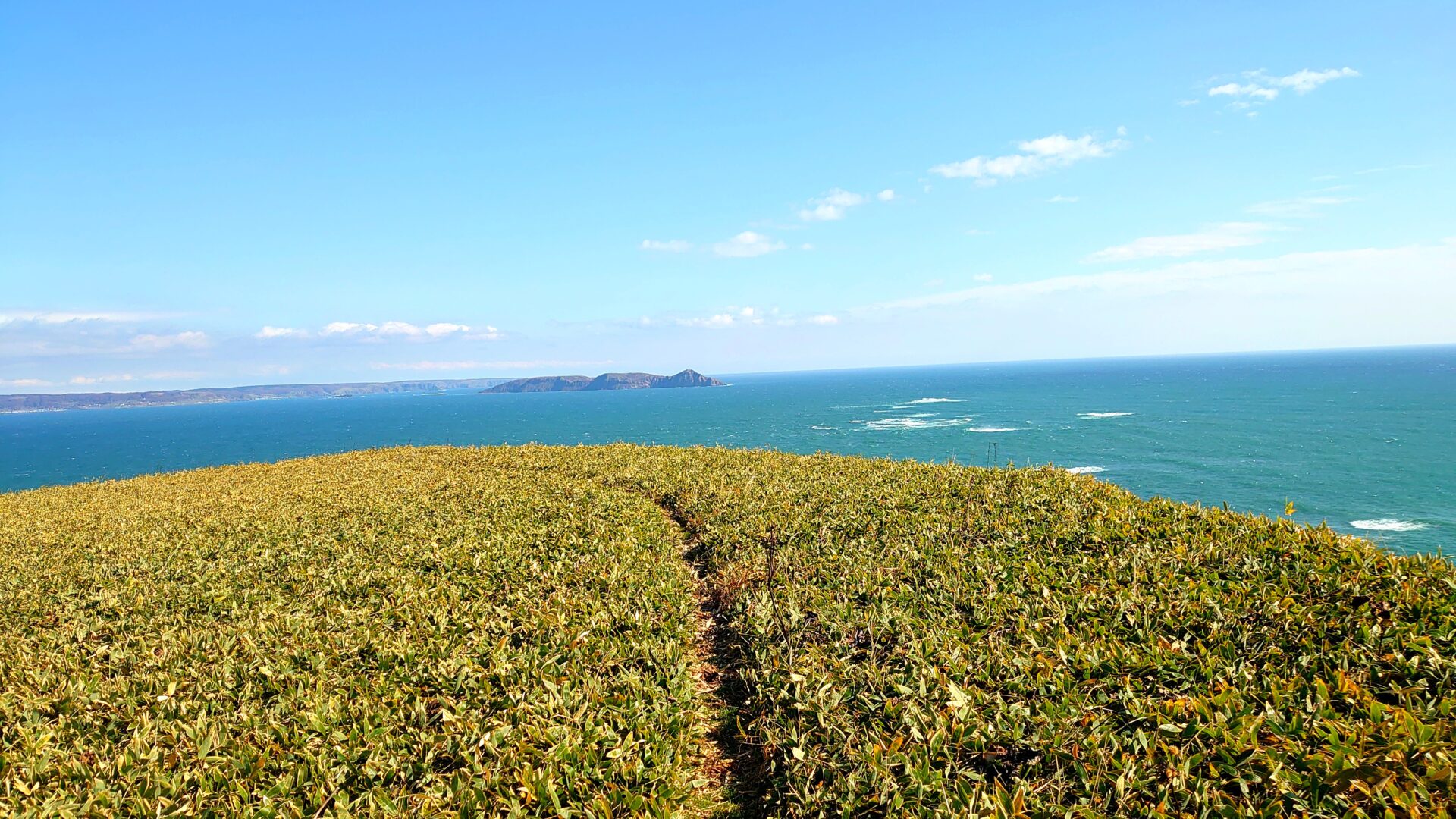
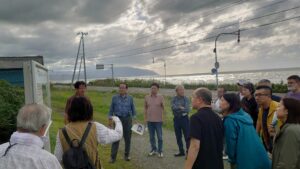
The “White Path” is a strikingly beautiful photo spot, famous for its vivid contrast: a single white trail stretching straight toward the deep blue sea, surrounded by lush green grasslands.
This walking path, approximately 3 km long, is made by spreading scallop shells, a specialty product of Wakkanai. When you walk along it, the path feels soft underfoot, making the stroll even more enjoyable.
14:20〜15:45
Wakkanai Park
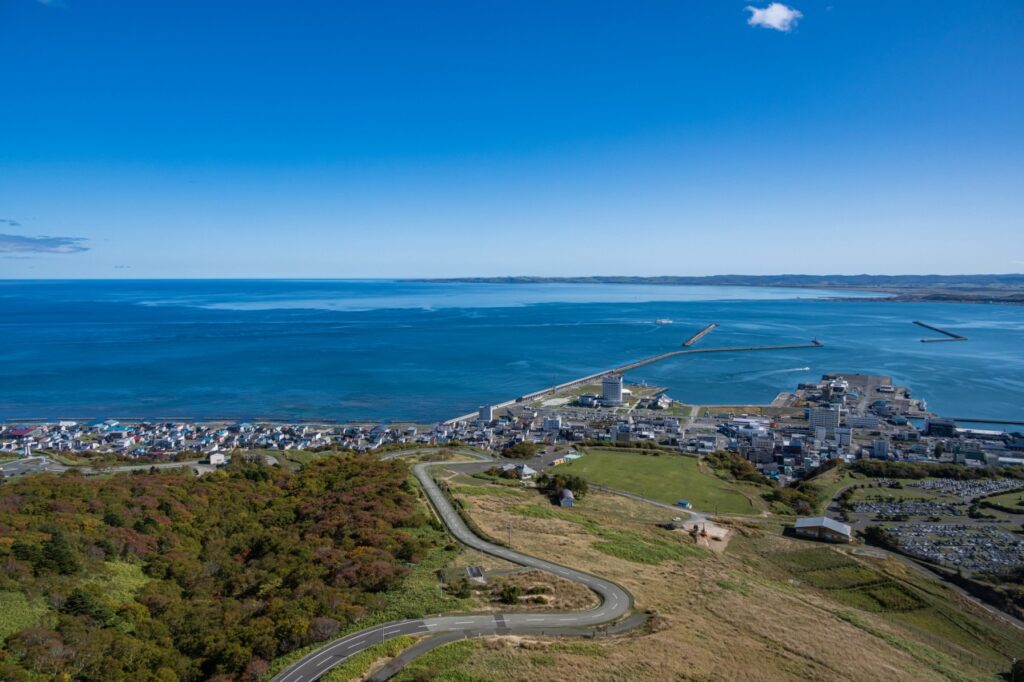
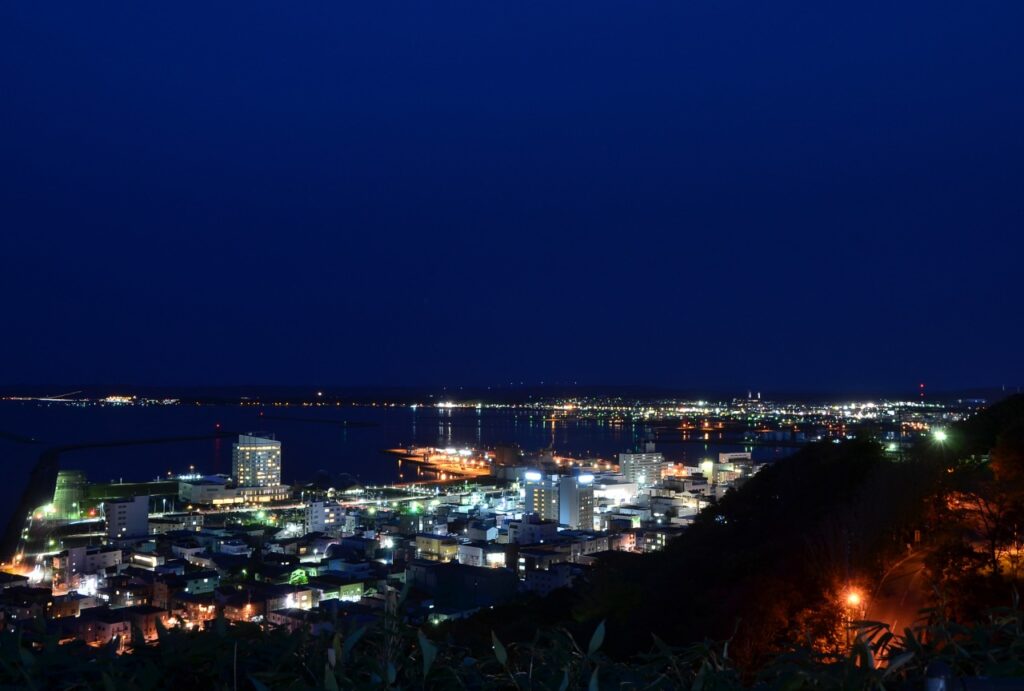
Located on the western hills overlooking central Wakkanai, this expansive 45.2-hectare park offers sweeping views of the cityscape.
The park is home to numerous monuments, including the Gate of Ice and Snow, a symbolic landmark of Wakkanai, and the Karafuto Dog Memorial.
Within the grounds, you will also find the Wakkanai Centennial Memorial Tower, which houses an observation facility and a local history museum, as well as free rest areas. The park is widely loved by residents as a peaceful place to relax and enjoy the scenery.
15:50
Dormy Inn Wakkanai
North Breakwater Dome (BBQ)
-573x1024.jpg)
On the second evening, you will enjoy a seafood barbecue set against the iconic North Breakwater Dome, one of Wakkanai’s most distinctive landmarks.
The North Breakwater Dome is a massive semi-arched corridor located at the north pier of Wakkanai Port, stretching approximately 427 meters long and rising 14 meters high. Built between 1931 and 1936, it served as a protective structure for the Sakhalin ferry terminal, shielding passengers from sea spray and strong winds. Its design features colonnaded arches inspired by ancient Greek architecture.
Designated as both a Hokkaido Heritage Site and a Civil Engineering Heritage Site, the dome provides a dramatic setting where you can savor seasonal seafood nurtured by the seas of northern Hokkaido—all while feeling the refreshing ocean breeze.
Day 3
9:30
Hotel
10:40〜11:10
Teshio Museum

北前船を学ぶ-1024x576.jpg)
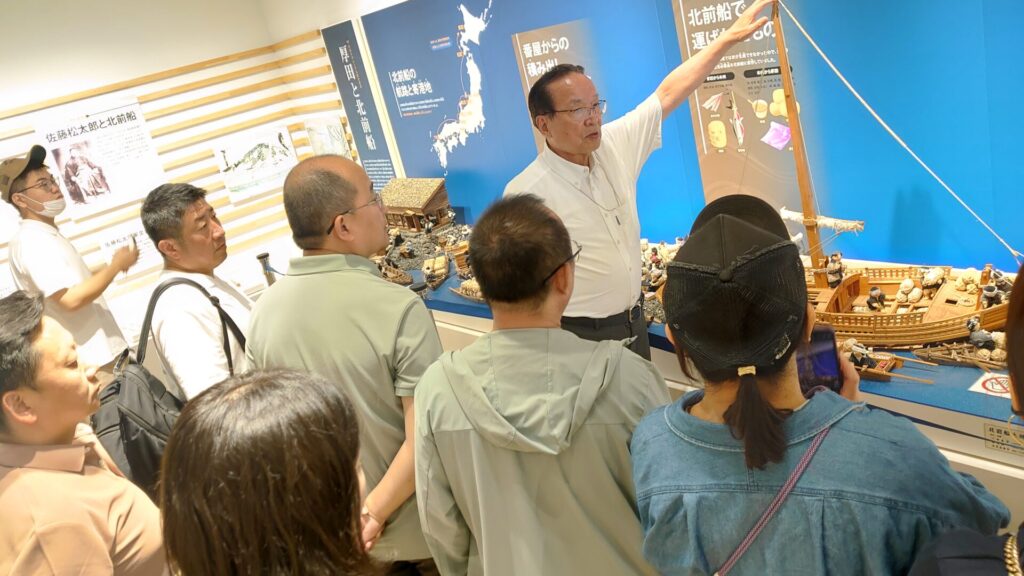
Housed in the former town hall—affectionately known by locals as the “Red Brick Building”—this museum exhibits more than 2,000 valuable items related to the region’s history, culture, and educational heritage. These materials reflect the dreams of the pioneers who sought a “new frontier” in Teshio and lived in harmony with the Teshio River.
The museum also features the Teshio Gray Whale, believed to be the world’s oldest gray whale fossil, estimated to be about 3 million years old.
11:15〜11:30
Teshio Roadside Station
This scenic rest stop offers sweeping views of the Teshio River, the Sea of Japan, and the distant silhouette of Mt. Rishiri.
It is a popular midway point for sightseeing in Teshio, where visitors can relax and enjoy local specialty foods.
12:30〜13:45
Roadside Station Hot Haboro


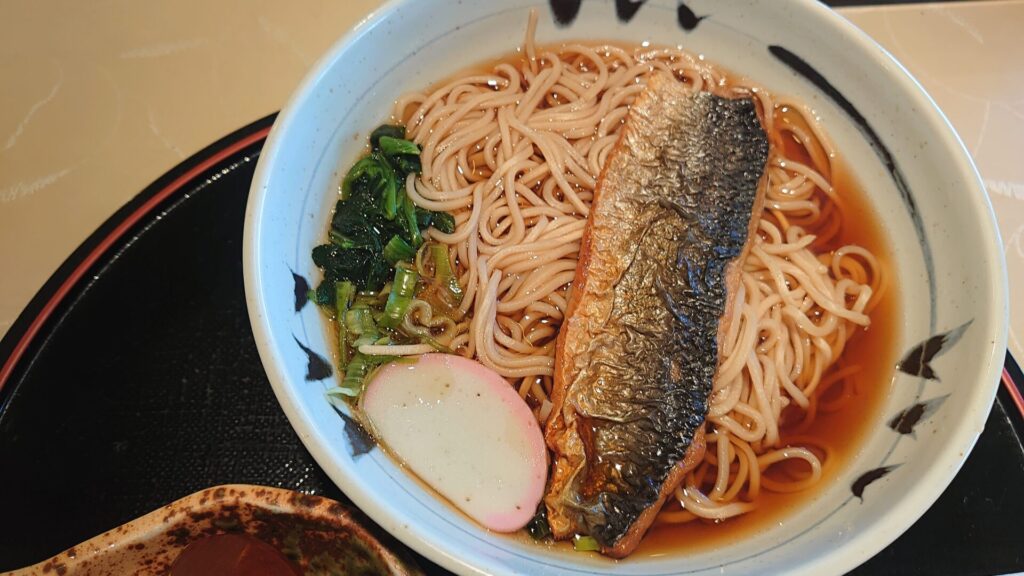
Herring soba is a traditional dish from the Sea of Japan side of Hokkaido, featuring migaki-nishin—dried herring simmered in a sweet soy-based broth—served atop buckwheat noodles.
It originated from the food preservation culture of the herring fishery’s golden age.
As you enjoy the rich, flavorful broth infused with herring fat and the accompanying soba noodles, you can reflect on the history of the herring once transported by the Kitamaebune trading ships—fish that supported both daily life and commerce in this region.
14:50〜15:50
Abunbanya, Mashike Town (former Rumoi Saga family fishing grounds)
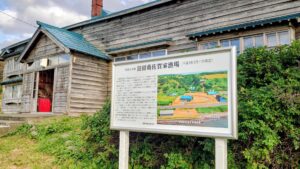
At the former Rumoi Saga Family Fishery, established in the late Edo period and operated for 113 years until the Shōwa era, you will tour an authentic herring fishery site preserved in remarkable condition.
The facilities—including the banya (main lodge), boat and net storage buildings, drying grounds, and the remains of the boiler area—allow you to vividly experience the full cycle of herring production: from catch to processing, shipping, and the daily lives of the fishermen.
This is an important place to learn about the power and scale of the herring fishery during its golden age, as well as how coastal livelihoods formed the foundation of the trade networks that connected Hokkaido with Honshu.
16:05
Hotel
18:00
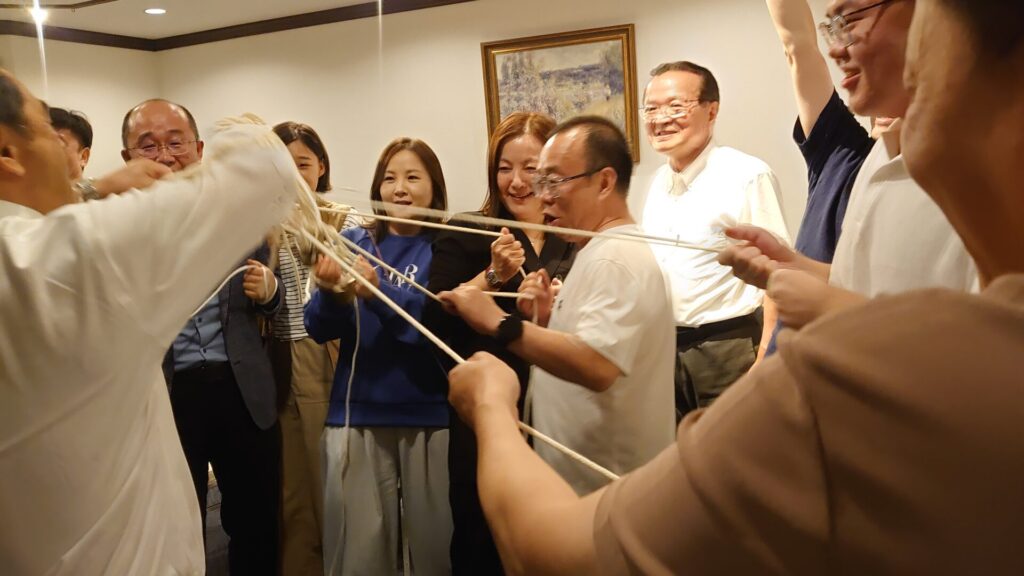
Local Exchange Dinner
Day 4
9:30
Hotel
9:35〜10:10
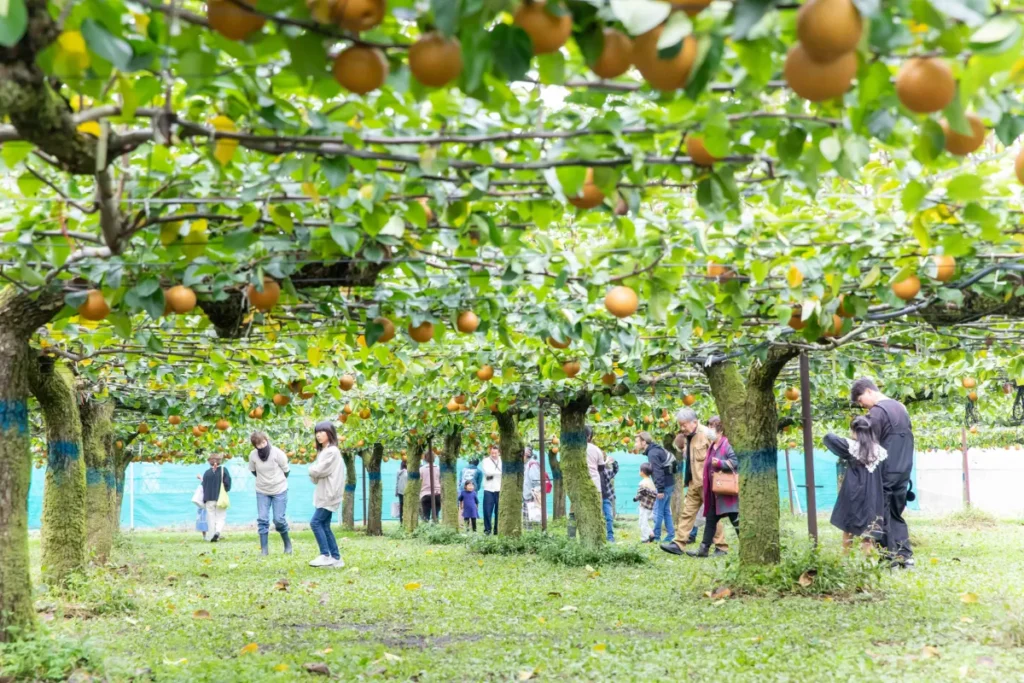
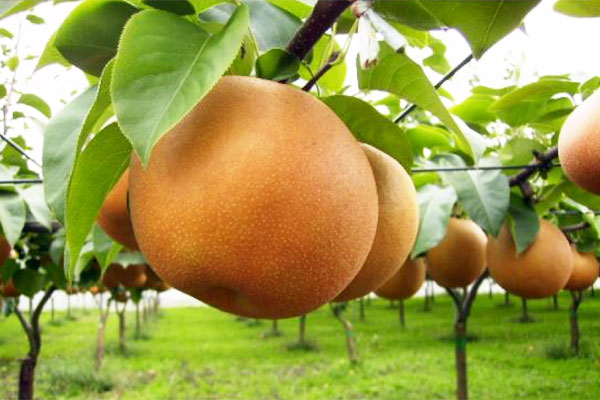
Yamaguchi Orchard (fruit picking)
10:15〜10:50
Kunimare Sake Brewery
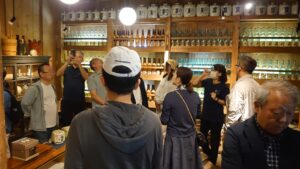
In Mashike, we will visit Kunimare Sake Brewery, a historic landmark that preserves the memory of a port town once flourishing through Kitamaebune trade and the herring boom.
Founded in 1882, Kunimare was established to meet the growing demand created by Mashike’s thriving herring industry, developing as a sake brewery deeply connected with maritime transport and fisheries—a true “brewery of a trading and fishing town.”
Through its historical exhibits, visitors can experience the prosperity nurtured during the golden age of the herring fishery, the movement of goods and people carried by the Kitamaebune ships, and the rich food culture that emerged from these exchanges.
This visit serves as the final chapter in the story of kombu and herring.
11:00〜12:10
Lunch
13:20〜14:00
Ishikari Roadside Station “Ai Road Atsuta”
15:15
Susukino
Tour Details
Setting period
April 1, 2026 - March 31, 2027
Setting exclusion date
Golden Week (May 3, 2026 - May 6, 2026), Obon (August 12, 2026 - August 18, 2026), New Year's (December 28, 2026 - January 6, 2027)
Number of Days
3 nights 4 days
Locally available Languages
Japanese/Chinese
Maximum/minimum number of participants
Minimum:15
Maximum:40
Guide Fee(Separate option fee)
For departures and arrivals at Okadama Airport:
270,000yen per person
If one person uses one room at the accommodation, an additional charge of 50,000 yen/person (no additional charge for shared rooms)
What’s included in the price
Accommodation fee, meal fee, transportation fee, entrance fee, viewing fee, service fee, consumption tax, bathing tax specified in the itinerary
CAUTIONS
- It will be held rain or shine. Part of the itinerary may be changed in the event of severe weather such as a warning or advisory being issued.
- Please wear clothes and shoes that are comfortable for walking.
Regarding cancellation fees
A cancellation fee will be charged for cancellations and time changes. In the case of cancellation due to bad weather, there will be no cancellation fee.
| 10 to 8 days before reservation | 20% of the fee |
| 7 days to 2 days before reservation | 30% of the fee |
| The day before the trip | 40% of the fee |
| The day of the trip | 50% of the fee |
| Non-participation without notification on the day | 100% of the fee |
Guide for this tour
![[Guide Introduction] Wang Qi Heng](https://native-speaker-guide-tour.com/wp-content/uploads/2024/12/王啓蘅.jpg)
![[Guide Introduction] Guo Qian](https://native-speaker-guide-tour.com/wp-content/uploads/2024/12/郭倩_調整済.jpg)
[Guide Introduction] Guo Qian
How to apply
If you would like to apply for this tour, please use the button below to proceed to the inquiry form.